 WhatsApp: +216 22 205 450
 Français
  English
  العربية
 Djerba is Tunisia's largest island and one of the Mediterranean's best-kept secrets. Connected to the mainland by an ancient Roman causeway, this 514 km² island packs an extraordinary density of experiences: white-sand beaches lapped by turquoise waters, a 2,500-year-old synagogue, open-air street art galleries, flamingo-dotted lagoons and a bustling traditional souk. And the best way to discover it all? With your own rental car.
Unlike package-tour buses that hit two or three spots and leave, a car gives you the freedom to chase hidden coves at sunrise, linger over a seafood lunch in a fishing village, and catch the sunset from a beach you have entirely to yourself. Rent a car with no deposit and unlimited km with free pickup at Djerba-Zarzis Airport and start exploring from the moment you land.
The 6 Hidden Gems You Must See in Djerba
Our team drives these roads every week, and our customers consistently rave about these spots. Here are the six places that make a Djerba road trip unforgettable:

Sidi Jemour Beach
A wild, windswept beach on Djerba's western tip. Crystal-clear water, almost no tourists, and a photogenic old mosque on the rocks. 20-minute drive from Houmt Souk. Best at sunset.

Djerbahood (Erriadh)
Since 2014, over 150 international artists have turned this ancient village into the world's largest open-air mural gallery. Every wall tells a story. Free entry, 15 min from Houmt Souk.
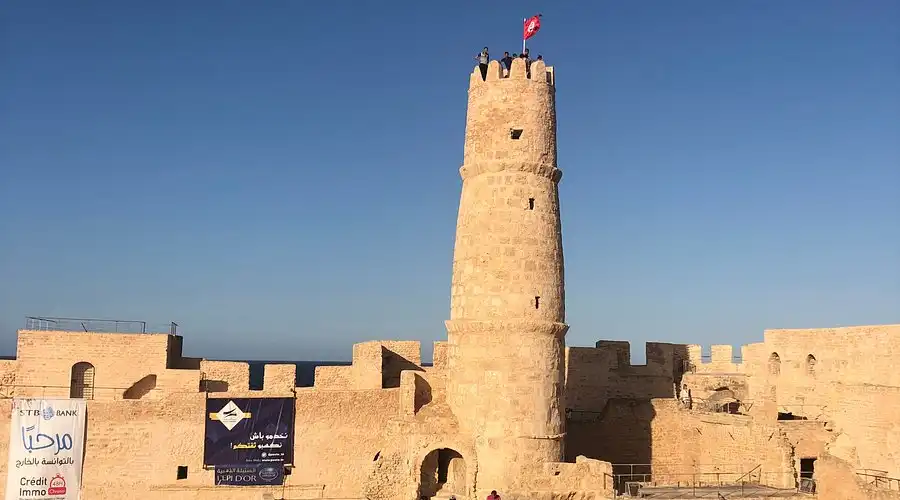
Bordj El Kebir Fortress
A 15th-century Ottoman fortress overlooking the harbour. Climb the ramparts for panoramic views of Houmt Souk and the Mediterranean. Entry: 7 TND (~€2). A 10-minute walk from the souk.
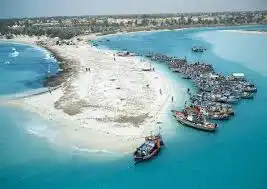
Ras R'mel (Flamingo Point)
A sandy peninsula where hundreds of pink flamingos wade in shallow lagoons. Best viewed November–March. Drive 25 minutes from Aghir, then walk the final stretch along the sand.

El Ghriba Synagogue
One of the oldest synagogues in the world (586 BC tradition), still an active place of worship and pilgrimage. Stunning blue-and-white tile interior. Located in Erriadh, next to Djerbahood.

Houmt Souk Bazaar
Djerba's bustling capital and commercial heart. Wander through arcaded souks selling ceramics, silver jewellery, spices and handwoven blankets. Park near the harbour and explore on foot.
Suggested 3-Day Djerba Road Trip Itinerary
With a rental car from 3A Rent Car, you can cover the entire island comfortably in 3 days. Here's our recommended route:
Culture & Street Art
Morning: Pick up your car at Djerba-Zarzis Airport. Drive to Houmt Souk (15 min) — explore the bazaar, visit Bordj El Kebir.
Afternoon: Drive to Erriadh village (15 min) for Djerbahood murals and El Ghriba Synagogue.
Evening: Seafood dinner at a harbour restaurant in Houmt Souk. Watch the fishing boats come in.
Beaches & Nature
Morning: Drive to Sidi Jemour (20 min from Houmt Souk) for a secluded beach morning.
Afternoon: Head east to Ras R'mel lagoon for flamingo-spotting (Nov–Mar) or relax at Seguia beach (summer).
Evening: Sunset at Sidi Mahrez beach, Djerba's most famous stretch of white sand.
Southern Coast & Mainland Excursion
Morning: Drive to Guellala village (25 min) — the pottery capital of Djerba. Visit a traditional workshop.
Afternoon: Take the Ajim–Jorf ferry (free, 15 min) to the mainland. Explore Zarzis or continue to the desert if you have time.
Evening: Return via the Roman Causeway. Drop off your car at the airport or continue your Tunisia adventure.
Driving in Djerba: What You Need to Know
-
Road quality: Main roads between Houmt Souk, Midoun and the airport are excellent. Village streets are narrow but paved. An economy or compact car is perfect — no 4x4 needed.
-
Fuel: Petrol stations in Houmt Souk and Midoun. Fill up before heading to the western or southern coast. Fuel in Tunisia is cheap — a full tank costs around €25.
-
Navigation: GPS is included free with your 3A rental. Google Maps works well on the main roads. Offline maps recommended for remote beaches.
-
Speed limits: 50 km/h in towns, 90 km/h on the main island roads. Speed bumps are common near villages — they’re often unmarked, so stay alert.
-
Parking: Free and easy everywhere outside Houmt Souk centre. The main tourist sites all have nearby parking. At the souk, park near the harbour or the old fort.
-
Best driving times: Early morning for beaches (before 9 AM for empty sand). Midday for indoor sites (Djerbahood, synagogue). Late afternoon for the western coast (sunset views).
Best Time to Visit Djerba
Djerba enjoys a mild Mediterranean climate year-round, making it a great destination in any season:
Summer (June–August): Hot (30–38°C), peak tourist season, vibrant nightlife. Best for beach lovers. Book your car 2–3 weeks ahead.
Autumn (September–November): Our top pick. Warm seas (25°C), comfortable air temps, flamingo season starts in November. Excellent car rental rates.
Winter (December–February): Mild (15–18°C), very quiet, cheapest prices. Perfect for cultural exploration without crowds.
Cultural Tips for Visitors
Djerba has a unique cultural identity shaped by centuries of Berber, Arab, Jewish and Mediterranean influences. Here are some tips to enhance your experience:
-
Haggle at the souk: Bargaining is expected and part of the fun. Start at 50% of the asking price and work your way up. Ceramics, olive oil and silver are the best buys.
-
Ask before photographing people: Locals are generally friendly, but always ask permission before taking portraits, especially in villages and markets.
-
Try the local specialities: Djerba is famous for brik (crispy pastry with egg), couscous au poisson (fish couscous), fresh octopus and dates. Don't miss the local olive oil — among the best in Tunisia.
-
Dress modestly in villages: While beach resorts are relaxed, cover shoulders and knees when visiting mosques, synagogues and traditional villages.
How to Get to Djerba
By air: Djerba-Zarzis International Airport (DJE) receives direct flights from major European cities including Paris, Lyon, Brussels, Geneva, Frankfurt and London (seasonal). Flight time from Paris is approximately 2.5 hours. 3A Rent Car offers free 24/7 pickup at DJE airport — your car is waiting when you land.
By road from mainland Tunisia: Two options: the Roman Causeway (El Kantara bridge, 7 km road from Zarzis) or the Ajim–Jorf car ferry (free, departs every 30 minutes, 15-minute crossing). Both are scenic and included at no extra cost in your rental.
From Tunis: The drive from Tunis to Djerba takes approximately 5.5 hours via the A1 motorway (480 km). You can also fly Tunis–Djerba in 1 hour with Tunisair. A popular option is to rent a car in Tunis and do a one-way drop-off in Djerba.
Why Rent Your Car in Djerba with 3A Rent Car?
-
Free airport delivery 24/7 — We meet you at Djerba-Zarzis arrivals with a name sign. Even for late-night flights.
-
All-inclusive pricing — Full insurance (CDW/TP), unlimited mileage, GPS and free cancellation. No hidden fees.
-
Economy cars with no deposit, unlimited km — Perfect for Djerba's flat roads. Sedans, SUVs and automatics also available.
-
Local expertise — Our team knows Djerba inside out. WhatsApp us for tips on hidden beaches, restaurants and the best driving routes.
-
4.9/5 on Google Reviews — Rated the best local car rental in Tunisia by hundreds of satisfied travellers.
Frequently Asked Questions About Renting a Car in Djerba
How do I get a rental car at Djerba-Zarzis Airport?
3A Rent Car offers free airport pickup at Djerba-Zarzis Airport (DJE). Our agent meets you at arrivals with a name sign, hands you the keys and you drive off within minutes. The service runs 24/7, including late-night flights. Book online and your car will be ready when you land.
What is the best time to visit Djerba?
Spring (March–May) and autumn (September–November) offer the best weather — warm days around 25°C, uncrowded beaches and lower car rental rates. Summer (June–August) is peak season with hot temperatures above 35°C, perfect for beach lovers. Winter is mild (15–18°C) and very affordable.
Can I drive around the whole island in one day?
Yes — Djerba is only about 25 km across. A full circuit of the island takes roughly 2–3 hours of pure driving. However, we recommend 2–3 full days to properly explore the beaches, villages, markets and cultural sites without rushing.
Are the roads in Djerba good for driving?
Main roads connecting Houmt Souk, Midoun and the airport are well-paved and clearly signposted. Village lanes can be narrow but manageable. An economy or compact car is perfect for the island. No 4x4 is needed — Djerba is completely flat.
What should I not miss in Djerba?
The five must-sees are: Djerbahood open-air street art in Erriadh, the ancient El Ghriba Synagogue, flamingos at Ras R'mel lagoon, the bustling Houmt Souk market, and a sunset at Sidi Jemour beach. All are easily reachable by car in under 30 minutes from anywhere on the island.
How much does it cost to rent a car in Djerba?
Economy cars start from €25/day for week-long rentals; multi-week stays (15+ days) unlock additional discounts of up to 25%. All prices at 3A Rent Car include full insurance (CDW/TP), unlimited mileage, GPS and free airport delivery — no hidden fees.
Is Djerba safe for tourists driving alone?
Absolutely. Djerba is one of the safest destinations in North Africa. The island is small, the roads are quiet, and locals are famously welcoming. Traffic is light outside Houmt Souk. Standard precautions apply — lock your car and don't leave valuables visible.
Can I take the rental car on the ferry to mainland Tunisia?
There is no ferry needed — Djerba is connected to the mainland by the Roman Causeway (El Kantara bridge), a 7 km road you can drive across freely. You can also take the free car ferry from Ajim to Jorf (15 minutes). Both options are included in your rental with no extra charge.