 WhatsApp: +216 22 205 450
 Français
  English
  العربية
 The Tunis Medina is the living, breathing heart of the Tunisian capital. Founded in 698 AD around the Zitouna Mosque, this UNESCO World Heritage Site spans roughly 270 hectares and shelters more than 700 historic monuments — palaces, mosques, mausoleums, madrasas, fountains and hammams all packed into a labyrinth of narrow alleys and covered souks. It is one of the first and best-preserved Arab-Muslim cities in North Africa, and in 2026 it remains as vibrant, aromatic and astonishing as ever.
Unlike open-air archaeological ruins, the Tunis Medina is not a museum — it is a living neighbourhood where artisans hammer copper, perfumers blend jasmine essences, and families sip mint tea on rooftop terraces. Walking its alleys is the single best way to experience authentic Tunisia. And the best way to get here? Rent a car with 3A Rent Car, drive to the city centre, park near Bab Bhar, and step back in time.
A Brief History: 13 Centuries of Continuous Life
The story of the Tunis Medina begins with the Arab conquest of Ifriqiya in 698 AD, when the Umayyad general Hassan Ibn Numan chose the site of ancient Tunis — already inhabited since Berber and Punic times — to build a new garrison city. The construction of the Zitouna (Olive Tree) Mosque soon followed, and it became the spiritual and intellectual anchor around which the entire medina grew.
Under the Hafsid dynasty (1229–1574), Tunis blossomed into one of the wealthiest and most cosmopolitan cities in the Mediterranean. Scholars, artists and traders from Andalusia, sub-Saharan Africa and the Middle East settled here, building the elegant palaces, madrasas and fondouks (caravanserais) that still line the alleys today. The Ottoman period added Turkish-influenced mosques and hammams, while the French Protectorate (1881–1956) created the modern Ville Nouvelle beyond the medina walls, leaving the old city largely intact.
In 1979, UNESCO inscribed the Medina of Tunis on the World Heritage List, recognising it as “an outstanding example of a coherent group of buildings constituting an ancient town.” In 2026, a major restoration programme is refreshing facades, souks and public spaces while preserving the medina's timeless character.
Gates, Streets & Orientation
The medina is roughly oval-shaped, encircled by remnants of its medieval walls and punctuated by historic gates (bab). The easiest way to orient yourself is to use Zitouna Mosque as your compass — it sits at the centre, and all the main souks radiate outward from it like spokes of a wheel.
Key Entrances
-
Bab Bhar (Porte de France): The main eastern gate, opening onto Avenue Habib Bourguiba. This is where most visitors enter. Parking and taxis are nearby.
-
Bab El Khadra: Northern gate, near the Halfaouine quarter. A more local, less touristy entrance with authentic neighbourhood life.
-
Bab Jedid: Southern gate, close to the Kasbah area and the government quarter. Good for reaching Tourbet El Bey and the southern palaces.
The Souks: Perfume, Silk, Carpets & Chéchias
The medina's souks are organised by trade — a system dating back centuries. Each street or cluster specialises in one craft or product, making it easy to find what you want once you know the layout. The most enchanting souks radiate from Zitouna Mosque.
Souk El Attarine (Perfume Souk)
Running directly off the north side of Zitouna Mosque, this is arguably the most atmospheric street in the entire medina. Tiny shops display rows of glass vials containing jasmine, orange blossom, amber, musk and rose essences. Perfumers blend custom scents on the spot — a 10 ml bottle of pure jasmine essence costs around 15–25 TND. The air itself is intoxicating. Take your time: the best shops let you sit, sip tea, and sample dozens of fragrances before buying.
Souk El Berka (Former Slave Market)
Once the site of the medina's slave market (abolished in 1846, making Tunisia one of the first countries in the world to ban slavery), Souk El Berka is today a jewellery souk. Gold and silver artisans display intricate filigree work, Berber jewellery and traditional khamsa (hand of Fatima) pendants. This vaulted, shaded passage is one of the most photogenic corners of the medina.
Souk des Chéchias
The chéchia — the distinctive red felt cap worn across the Maghreb — has been manufactured in the Tunis Medina for over 300 years. In the Souk des Chéchias, you can watch artisans shape, dye and brush the caps by hand, a process that takes several days. A genuine handmade chéchia makes a unique souvenir and costs around 20–40 TND depending on quality.
Souk El Leffa (Carpet Souk)
Tunisian carpets are among the finest in the Maghreb, and the Souk El Leffa is where dealers spread hand-knotted Kairouan carpets, colourful Berber kilims and embroidered mergoums across the floor for your inspection. Expect to spend an hour here if you are serious about buying. Prices range from 80 TND for a small kilim to 2,000+ TND for a large, high-knot-count Kairouan carpet. Tip: Ask for the government quality certificate stamped on the back.
6 Must-Visit Landmarks in the Tunis Medina
Beyond the souks, the medina hides some of North Africa's finest Islamic architecture. Here are six sites no visitor should miss:
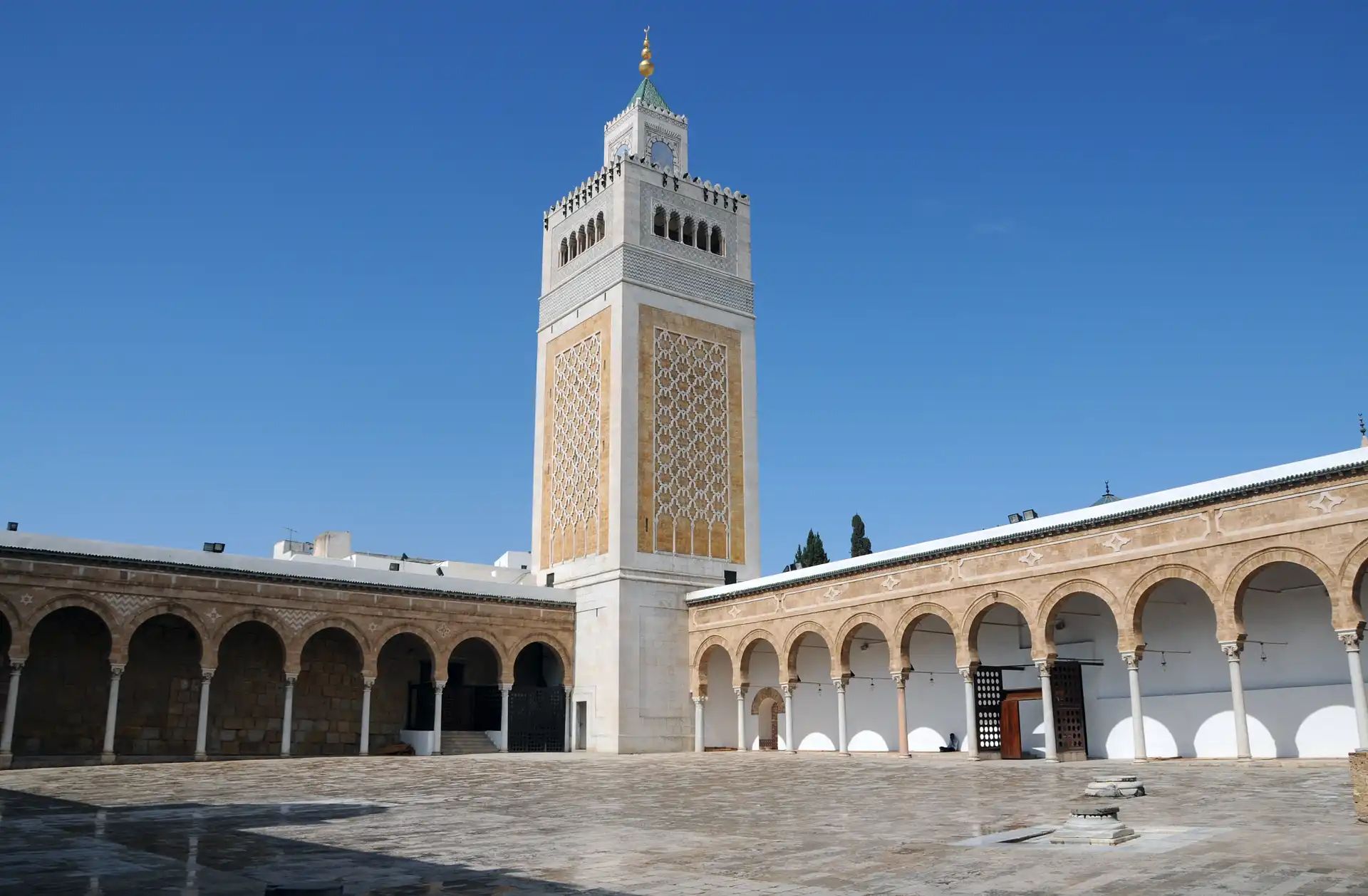
Zitouna Mosque
Founded in 732 AD, this is Tunis's oldest and largest mosque. Its courtyard of horseshoe arches and soaring minaret are the spiritual heart of the medina. Non-Muslims may enter the courtyard. Free admission.
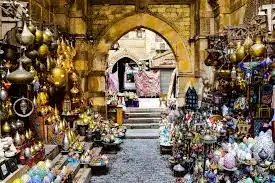
Souk El Attarine
The legendary perfume souk adjoining Zitouna Mosque. Glass vials of jasmine, orange blossom and amber line the walls. Let a perfumer blend you a custom scent for 15–25 TND.
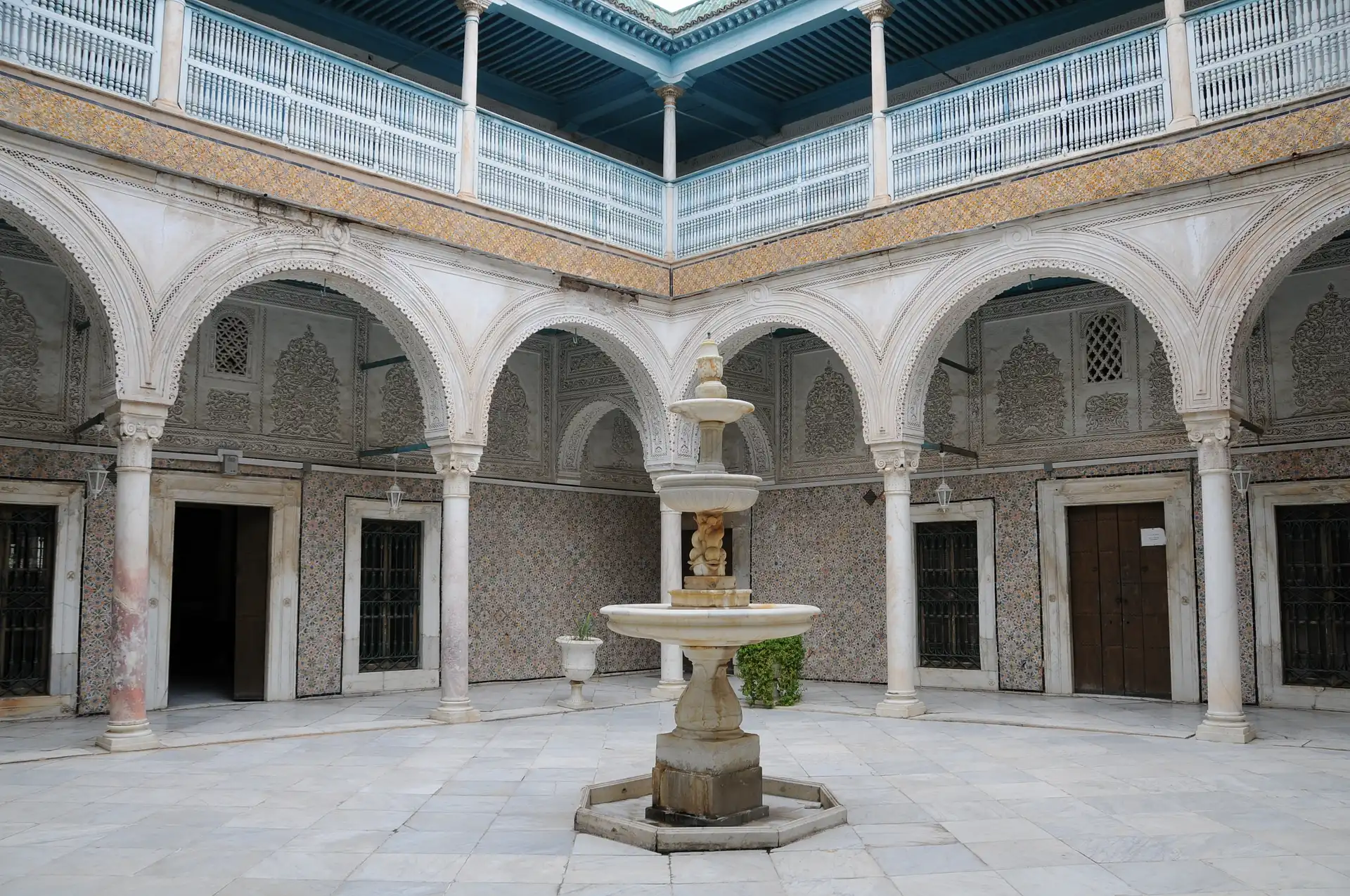
Dar Ben Abdallah
An 18th-century palace turned ethnographic museum. Stunning zellige tilework, carved stucco and painted ceilings. Wax figures recreate aristocratic life in Ottoman Tunis. Entry: 8 TND.
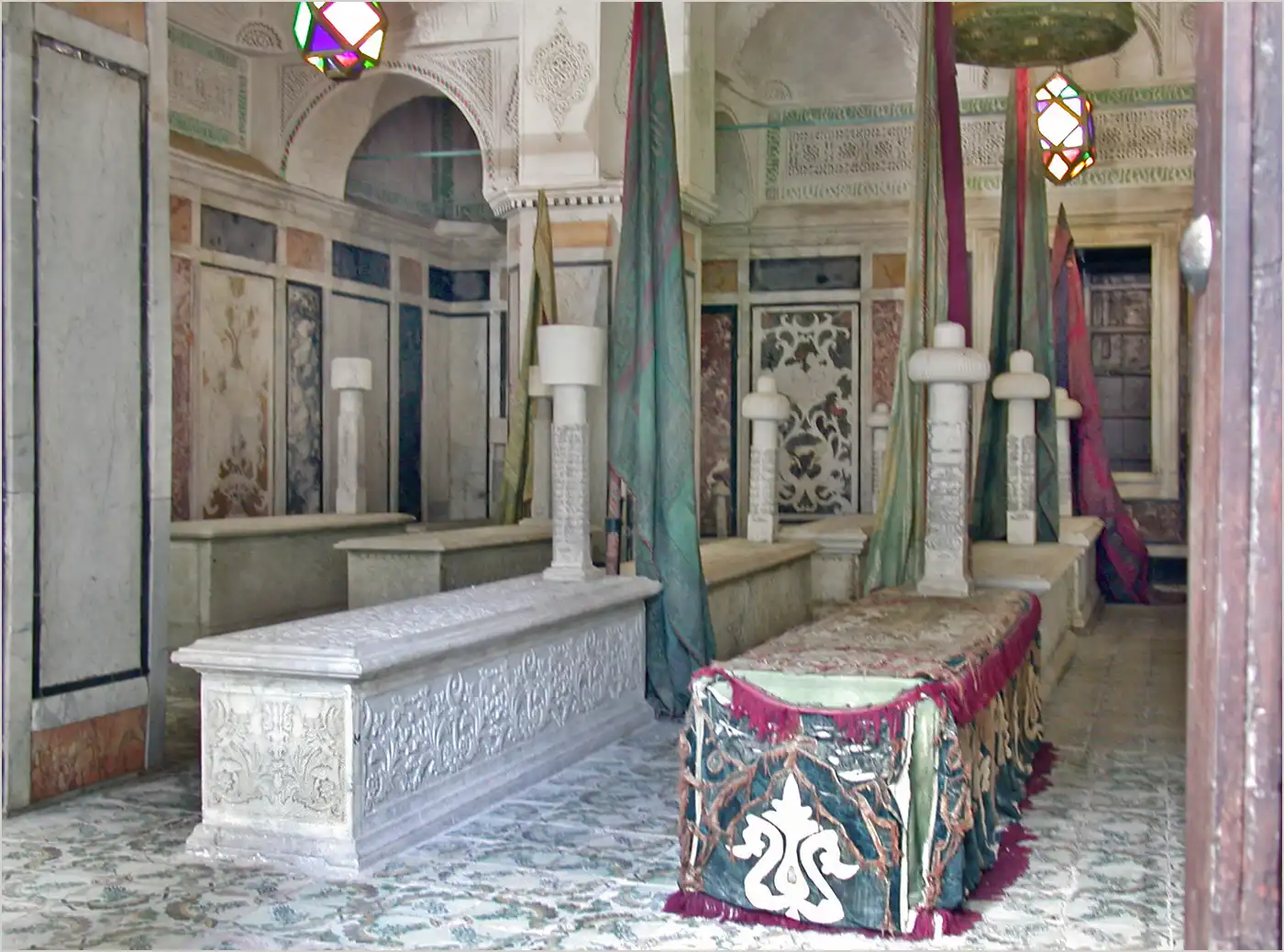
Tourbet El Bey
The largest royal mausoleum in Tunis, housing the tombs of Husainid dynasty rulers. Magnificent marble, carved wood and polychrome tiles in a serene setting. Entry: 8 TND. Often overlooked by tourists.
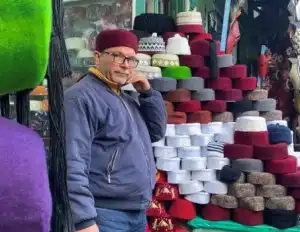
Souk des Chéchias
Watch artisans shape the iconic red felt cap by hand, a centuries-old craft. One of the last surviving traditional craft souks in the Arab world. A handmade chéchia costs 20–40 TND.
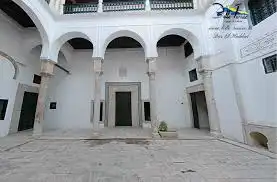
Dar El Haddad
A beautifully restored 18th-century house turned cultural centre. Hosts art exhibitions, music performances and workshops. A window into the medina's creative renaissance. Free entry to exhibitions.
Mosques, Madrasas & Sacred Architecture
The Tunis Medina contains more than 20 historic mosques and a dozen madrasas (Islamic schools). While most interiors are reserved for worshippers, several deserve attention for their exterior architecture and accessible courtyards.
Hammouda Pacha Mosque
Built in 1655 by the Mouradite bey, this mosque features a distinctive octagonal minaret in the Turkish style — unique among Tunis's many mosques. Its facade of black-and-white striped stone is one of the most photographed in the medina. Located on Rue Sidi Ben Arous, just off the main souk axis.
Sidi Youssef Dey Mosque
The first Ottoman-style mosque in Tunis (1616), recognisable by its octagonal minaret topped with a green pyramidal cap. It marks the beginning of Turkish architectural influence in the medina. The nearby Souk El Trouk (Turkish souk) once served the Ottoman garrison.
Madrasa Slimania & Madrasa Bachia
These two 18th-century Koranic schools near Zitouna Mosque feature exquisite courtyard architecture with zellige tilework, marble columns and carved stucco. Though often closed, their ornate doorways are worth seeking out in the narrow alleys south of the Great Mosque.
Eating in the Medina: From Street Food to Palace Dining
The medina is one of the best places in all of Tunisia to eat. From 1-dinar street snacks to candlelit dinners in restored palaces, the culinary range is extraordinary.
-
Brik à l'oeuf: The quintessential Tunisian street food — a crispy deep-fried pastry envelope filled with egg, tuna, capers and harissa. Eat it with your hands (without breaking the yolk!) for about 1.5 TND at any friterie near Bab Bhar.
-
Café El Mrabet: A stunning 18th-century coffeehouse on Souk El Trouk with painted ceilings and tiled arches. Order a mint tea or a traditional “direct” (black Turkish coffee). A must for atmosphere — drinks from 3 TND.
-
Dar El Jeld: Tunisia's most celebrated palace restaurant, set in a magnificent 17th-century house. Fine-dining Tunisian cuisine — lamb tagine, royal couscous and traditional pastilla — in jaw-dropping surroundings. Reserve ahead. Mains from 45 TND.
-
Fresh juice stands: Scattered throughout the souks, look for the stalls pressing fresh orange, pomegranate or seasonal fruit juice on the spot — 2–3 TND for a large glass. Perfect fuel for an afternoon of exploring.
Shopping Tips: How to Bargain Like a Local
The medina rewards those who take their time and embrace the art of negotiation. Haggling is not just expected — it is a social ritual and part of the fun.
1. Start low, stay friendly: Offer 40–50% of the asking price and work upward. Smile, drink the tea offered, and never be rude — it is a conversation, not a confrontation.
2. Compare before committing: Walk through the entire souk to get a sense of prices and quality before buying. There are multiple shops for every product.
3. Best buys: Jasmine perfume essence (Souk El Attarine), handmade chéchias (Souk des Chéchias), Kairouan carpets (Souk El Leffa), olive-wood crafts, hand-painted ceramics and copper trays.
4. Avoid the first shop inside Bab Bhar: Prices are highest at the medina entrance. Walk deeper into the souks for better deals and more authentic workshops.
5. Cash is king: Bring Tunisian dinars. Most souk merchants do not accept credit cards. ATMs are available near Bab Bhar and on Avenue Habib Bourguiba.
Getting to the Medina by Car
If you are renting a car in Tunisia, reaching the medina is straightforward. From Tunis-Carthage Airport (TUN), the drive takes about 15 minutes via the X4 expressway. Our team at 3A Rent Car provides free 24/7 pickup at the airport.
Parking Options
-
Avenue de France car park: The closest secure option to Bab Bhar. Guarded, reasonable rates (5–10 TND for a half day). A 2-minute walk to the medina entrance.
-
Avenue Habib Bourguiba: Metered street parking along Tunis's grand boulevard. Convenient but fills up quickly by mid-morning. Arrive before 9 AM for best availability.
-
Kasbah area (south side): Less busy parking near Bab Jedid. Good for visiting Tourbet El Bey and the southern medina first, then walking north toward Zitouna Mosque.
Combine with the Bardo Museum & Sidi Bou Said
A rental car makes it easy to combine the medina with two other must-visit sites in the Tunis area:
Bardo National Museum
Just 4 km west of the medina, the Bardo Museum houses the world's finest collection of Roman mosaics, displayed in a stunning 19th-century palace. Allow 2–3 hours. Open 9:30 AM – 4:30 PM (winter) or 9 AM – 5 PM (summer). Entry: 13 TND. Drive time from the medina: 10 minutes. Parking available on-site.
Sidi Bou Said
The iconic blue-and-white clifftop village is 17 km northeast of the medina — a 25-minute drive along the coast road. Wander the cobblestone streets, sip mint tea at Café des Nattes, and watch the sunset over the Gulf of Tunis. Free to visit. Combine it with the nearby Carthage ruins for a full afternoon.
Morning (9 AM): Bardo Museum (2 hours) → Late morning (11:30 AM): Drive to medina, park near Bab Bhar → Lunch (1 PM): Brik à l'oeuf at a friterie or Dar El Jeld for a special meal → Afternoon (2:30 PM): Explore souks and Zitouna Mosque → Late afternoon (5 PM): Drive to Sidi Bou Said for sunset → Evening: Return to hotel or airport.
Frequently Asked Questions About the Tunis Medina
Is it safe to walk through the Tunis Medina?
Yes, the Tunis Medina is generally safe for tourists, especially during daytime hours (8 AM – 6 PM). The main souks and pathways near Zitouna Mosque are busy with shoppers and well-patrolled. Stick to the busier alleys, keep valuables close, and avoid poorly lit side passages after dark. Locals are overwhelmingly friendly and happy to give directions.
What are the opening hours for the Tunis Medina souks?
Most shops open from 9 AM to 6 PM, Monday to Saturday. Some close for a lunch break between 12:30 PM and 2 PM. During Ramadan, opening hours shift — many shops open later in the morning and stay open well into the evening. Friday mornings can be quieter as some shopkeepers attend prayers.
How long do I need to explore the Tunis Medina?
Allow at least 3–4 hours for a comfortable visit covering the main souks, Zitouna Mosque and one or two museums. If you want to explore in depth — including hidden palaces, artisan workshops and lunch — plan a full day. The medina rewards slow exploration.
Where can I park near the Tunis Medina?
The best parking options are along Avenue de France or Avenue Habib Bourguiba near Bab Bhar (Porte de France), the main eastern entrance. There are several paid car parks within a 5-minute walk. With a 3A Rent Car rental, our team can advise on the safest and most convenient spots.
Do I need a guide to visit the Tunis Medina?
A guide is not strictly necessary for the main souks, which are straightforward to navigate. However, a licensed local guide (around 40–60 TND for 2 hours) can unlock hidden courtyards, share fascinating stories, and help you find the best artisan workshops. The Tourist Office near Bab Bhar can recommend certified guides.
What should I buy in the Tunis Medina?
The medina is famous for hand-knotted Kairouan carpets, jasmine and orange-blossom perfumes, chéchia hats (the traditional red felt caps), copperware, olive-wood crafts and hand-painted ceramics. The Souk El Attarine (perfume souk) and Souk des Chéchias are the most iconic shopping streets.
Can I visit Zitouna Mosque as a non-Muslim?
Non-Muslims may enter the outer courtyard of Zitouna Mosque, which offers beautiful views of the minaret and surrounding architecture. The inner prayer hall is reserved for worshippers. Dress modestly — cover shoulders and knees — and remove shoes in the courtyard. There is no entry fee for the courtyard.
How do I combine the Tunis Medina with the Bardo Museum?
The Bardo Museum is about 4 km west of the medina — a 10-minute drive or 20-minute tram ride (Line 4 to Le Bardo). We recommend visiting the Bardo in the morning (opens at 9:30 AM) and spending the afternoon in the medina. With a rental car from 3A Rent Car, you can easily do both plus a visit to Sidi Bou Said in a single day.